 Iconic Global Iconic Global is a global media company, focusing on business, investing, technology, entrepreneurship, leadership, and lifestyle.


Related Articles

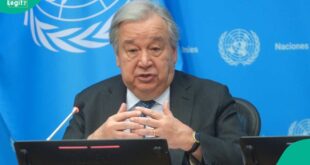

- Kano Islamic scholars have rejected alleged US pressure to abolish Sharia law and dismantle the Hisbah system
- The Ulama-led coalition said Sharia and Hisbah were constitutionally backed, applied only to Muslims
- The scholars warned that foreign pressure and misinformation could threaten fragile interfaith coexistence
Kano-based Islamic scholars have dismissed reported pressure from the United States to scrap Sharia law and dismantle the Hisbah system, saying the demands amount to an intrusion into Nigeria’s domestic and religious affairs.
The clerics said such positions misread the country’s constitutional order and risk aggravating religious sensitivities.
Source: Facebook
Speaking through a coalition of Ulama and Islamic organisations, the scholars accused Washington and members of the US Congress of crossing diplomatic lines by commenting on faith-based governance structures operating in parts of northern Nigeria.
They said Sharia and Hisbah are lawful institutions grounded in Nigeria’s federal arrangement and long-standing religious practice.
Kano scholars assert Nigeria’s sovereignty

A statement issued in Kano and signed by Dr Saidu Ahmad Dukawa on behalf of the coalition described the reported intervention as “unwarranted and provocative.”
The scholars said the alleged calls sought to curtail religious freedom and interfere with how Muslim communities regulate moral and social conduct within the limits of the law.
The coalition said the move threatened national cohesion, warning that external commentary on sensitive religious matters could inflame divisions rather than support peace.
According to the statement:
“We said that the undemocratic attempt and nasty move is not only a contempt of sovereign existence of an independent nation and it patriotic citizens but, also counter productive to the fragile peaceful coexistence of Muslims and Christians in Nigeria”.
The clerics maintained that Sharia law applies only to Muslims who choose to live under its provisions, adding that no non-Muslim is compelled to submit to it.
They argued that the system has operated for years alongside Nigeria’s secular courts without eroding constitutional guarantees.

Source: Original
Scholars say Hisbah legally backed
Addressing the role of Hisbah, the coalition said the institution enjoys firm legal footing under state laws enacted by elected Houses of Assembly. It added that Hisbah draws legitimacy from Islamic teachings and serves community interests beyond moral guidance.

“The Hisbah institution is legally backed by state laws passed by Houses of Assembly and rooted in Islamic teachings. The Sharia law remains a constitutional and God-given right of Muslims in Kano State and other parts of Nigeria, applicable strictly to the Muslim population.
” Hisbah has played a vital role in promoting peaceful coexistence, protecting places of worship—including mosques and churches—and supporting security efforts during periods of tension” the statement added.
The scholars rejected suggestions that Hisbah fuels intolerance, saying its activities have often complemented conventional security agencies during moments of unrest.
Kano scholars call for restraint and prayers
The coalition warned that misinformation and foreign pressure could weaken delicate interfaith relations across the country. It urged federal and state authorities to resist intimidation from outside Nigeria and remain answerable to citizens.
It also called on Islamic scholars nationwide to organise sustained alqanut prayers against insecurity and threats to national stability. Muslims were urged to repent, uphold Islamic values, and continue supporting lawful religious institutions as part of efforts to preserve peace.
Kano governor bans Hisbah group
Earlier, Legit.ng reported that the Kano state government had formally outlawed a group identifying itself as “Independent Hisbah Fisabilillahi” through an executive directive issued by Governor Abba Kabir Yusuf.
The order, dated December 8, 2025, declared the organisation illegal following reports of unauthorised recruitment and mobilisation of youths across parts of the state.
Source: Legit.ng